

Reviewed by Thorsten Krick, Unrestricted Master Plumber & Co-Owner, TKO Plumbing Services
Quick Answer
High water pressure is commonly caused by a failing Pressure Reducing Valve (PRV)—also called a pressure regulator valve—or unusually high municipal water pressure.
While strong water pressure may feel great in the shower, it can quietly shorten the lifespan of your faucets, toilets, water heater, washing machine hoses, dishwasher, refrigerator water line, and other plumbing fixtures throughout your home.
Key Takeaways
- Normal residential water pressure is generally between 50 and 80 PSI.
- High water pressure often goes unnoticed until plumbing fixtures begin leaking.
- A failing Pressure Reducing Valve (PRV) is one of the most common causes.
- A simple pressure test can help identify problems before they become expensive repairs.
- At TKO Plumbing Services, we'll check your home's water pressure at no charge because we don't charge a service fee.
When a Master Plumber Forgot to Check One Thing
When my wife and I bought our first home together, I did what most plumbers would do. I checked the water heater, looked over the visible water lines, drain lines, and plumbing fixtures. Everything looked great. We also had a professional home inspection completed during our due diligence period, and we assumed everything—including the water pressure—had been checked.
About a month after moving in, things started happening all at once.
One bathtub faucet started leaking.
Then one of our toilets began running.
Shortly after that, we discovered water leaking through the ceiling because another toilet upstairs had started leaking.
When several plumbing fixtures begin having problems within a short period of time, that's usually a sign that something bigger is going on.
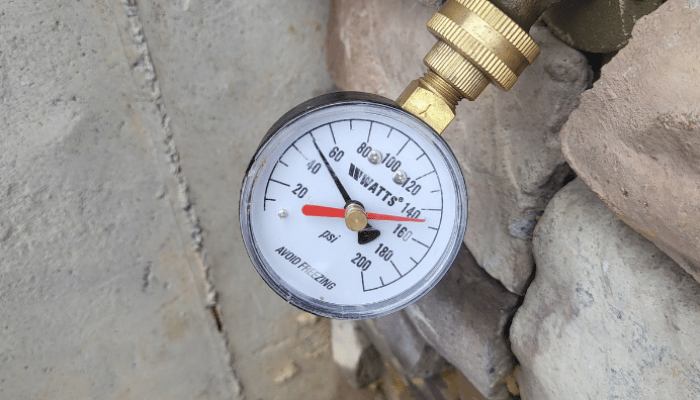
I grabbed a pressure gauge and checked the water pressure.
It was 137 PSI.
At that moment, everything made sense.
That experience reinforced something I still tell homeowners today: high water pressure is one of the most overlooked plumbing problems, but it can also be one of the most damaging.
Has Your Toilet Recently Started Running or Leaking?
Maybe you've noticed:
- A toilet that suddenly won't stop running
- A faucet that's started dripping
- Multiple plumbing fixtures leaking around the same time
- Water pressure that feels much stronger than it used to
- More plumbing repairs than you expected over the past year
If any of these sound familiar, high water pressure may be the hidden cause.
Why Does Normal Water Pressure Matter?
Think of your plumbing system like your blood pressure.
Too little pressure can make showers frustrating and appliances perform poorly.
Too much pressure puts unnecessary stress on everything connected to your plumbing system.
Every time you flush a toilet, turn on a faucet, or run your dishwasher, excessive pressure places additional wear on valves, seals, hoses, and fixtures.
It doesn't usually cause a problem overnight—but it adds up over time.
Why Does High Water Pressure Cause Plumbing Leaks?
High water pressure is often called the "silent" plumbing problem because it usually doesn't make noise or trigger an alarm.
Instead, it slowly wears down your plumbing system.
Over time, excessive pressure can contribute to:
- Running toilets
- Dripping faucets
- Leaking supply lines
- Washing machine hose failures
- Water heater stress
- Premature fixture failure
- Higher water bills
Sometimes homeowners replace several plumbing fixtures without realizing they all failed for the same underlying reason.
That's exactly what happened in our own home.
One of the easiest ways homeowners can stay ahead of plumbing problems is by checking their water pressure once or twice a year.
You can purchase an inexpensive water pressure gauge that threads onto an outdoor hose bib. If your reading is unusually high, or if you're simply not comfortable checking it yourself, have a licensed plumber test it before it causes damage.
At TKO Plumbing Services, we'll check your home's water pressure completely free because we don't charge a service fee. Sometimes a five-minute pressure test is all it takes to catch a problem before it turns into hundreds or even thousands of dollars in plumbing repairs.
Thorsten KrickUnrestricted Master Plumber & Co-Owner
What Causes High Water Pressure?
The two most common causes are:
A Failing Pressure Reducing Valve (PRV)
Many homes have a Pressure Reducing Valve (also called a pressure regulator valve) where the main water line enters the home.
Its job is to regulate incoming city water pressure to a level that's safe for your home's plumbing system.
Like any plumbing component, PRVs wear out over time. When they fail, your home's water pressure can gradually increase without you realizing it.
High Municipal Water Pressure
Some cities simply deliver water at pressures that are higher than most homes should receive.
Without a properly functioning PRV, that pressure enters your home's plumbing system unchanged.
Is High Water Pressure Covered During a Home Inspection?
Many homeowners assume water pressure is checked as part of a home inspection.
Our own experience taught us not to make assumptions.
Whether you're buying a home or have lived in it for years, it's worth verifying your water pressure yourself or asking a licensed plumber to check it.
It's one of the quickest tests that can help identify a hidden plumbing problem.
Can High Water Pressure Damage My Water Heater?
Yes.
High water pressure places additional stress on your water heater, its valves, fittings, and other plumbing connections.
Over time, that extra stress can shorten the lifespan of the system.
If you're wondering what a new water heater typically costs, be sure to read our article:
When Should I Call a Plumber?
If you've noticed multiple plumbing fixtures beginning to leak, your water pressure feels unusually strong, or you've never had your home's pressure checked, it's worth having it tested.
Throughout Dallas, Marietta, Acworth, Hiram, Kennesaw, Woodstock, and the surrounding Northwest Metro Atlanta area, we frequently find excessive water pressure that homeowners had no idea existed.
The sooner it's identified, the easier—and often less expensive—it is to correct.
Frequently Asked Questions About High Water Pressure
At TKO Plumbing Services, checking your home's water pressure is completely FREE.
We do not charge a service fee to send a licensed technician to your home. If you're concerned about high water pressure or have noticed plumbing fixtures beginning to leak, we'll check your water pressure at no charge and explain exactly what we find before recommending any repairs.
For most homes, replacing a Pressure Reducing Valve (PRV) typically costs around $584.
The exact cost depends on your home's plumbing system, accessibility, and whether additional plumbing repairs are needed.
During many PRV replacements, we also find that the home's main shutoff valve is an older gate-style valve or has become difficult to operate after years of little use.
If both the PRV and the main shutoff valve need to be replaced during the same visit, we offer that service for $648.
Replacing both components together is often more cost-effective because the water only needs to be shut off once.
Pricing reflects the average cost for a typical residential installation and is provided for educational purposes. Final pricing may vary depending on your home's plumbing system.
Yes. Higher pressure means more water flows through your fixtures every time they're used. It can also contribute to hidden leaks and running toilets, both of which can increase your monthly water bill.
We recommend checking your home's water pressure once or twice a year, especially if your home is older, you've noticed changes in water pressure, or you've recently experienced multiple plumbing leaks.
Final Thoughts
Looking back, it's funny that even a Master Plumber assumed the water pressure had already been checked before moving into a new home.
That experience became an important reminder that sometimes the simplest tests reveal the biggest hidden problems.
If you've noticed running toilets, dripping faucets, stronger-than-normal water pressure, or several plumbing fixtures beginning to leak around the same time, don't ignore the signs. A quick water pressure test could help prevent much larger plumbing repairs down the road.
Meet the Plumber Behind This Advice
Hi, I'm Thorsten Krick, unrestricted Master Plumber and co-owner of TKO Plumbing Services.
For more than 28 years, I've helped homeowners throughout Dallas, Marietta, and Northwest Metro Atlanta diagnose plumbing problems ranging from simple repairs to complete plumbing system replacements.
One thing I've learned is that some of the most expensive plumbing repairs begin with problems homeowners never knew they had—like excessive water pressure.
My goal with these articles is simple: help homeowners better understand their plumbing systems so they can make informed decisions and hopefully prevent costly repairs before they happen.