


If your home has older galvanized steel or original copper pipes, you may be facing a whole-house repipe — one of the most significant plumbing projects a homeowner can take on. One of the first questions we hear from Metro Atlanta homeowners is: how long is this actually going to take?
The honest answer: most whole-house repipes in Georgia take between 2 and 5 days. But the right answer for your home depends on several factors specific to your house, your pipe material, and your plumber's process.
Here's a realistic, detailed breakdown so you know exactly what to expect before, during, and after a repipe.
What Is a Whole-House Repipe?
A whole-house repipe replaces all of the supply lines — the pipes that carry water to your fixtures — throughout your entire home. This is different from a spot repair, which addresses a single leak or section of pipe.
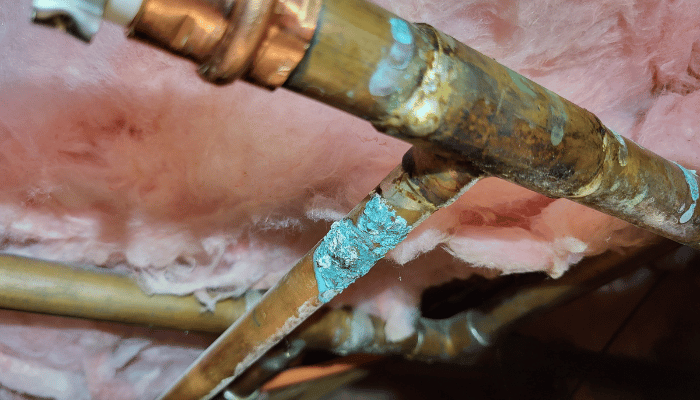
Repiping is typically recommended when your home has galvanized steel pipes over 30–40 years old, you have recurring leaks in multiple locations, you're experiencing discolored or rust-tinted water, your water pressure has dropped significantly throughout the house, or you've been told you have pinhole leaks in your copper pipes.
In Georgia, homes built before the 1980s are especially likely to have aging galvanized pipe systems that benefit from full replacement. Today, most repipes use PEX tubing, which is flexible, durable, and resistant to the mineral buildup common in Georgia's water supply.
The Typical Repipe Timeline: Day by Day
Day 1: Assessment & Preparation
Before any work begins, your plumber will walk through the home to map out the existing pipe layout, identify access points, and confirm the scope of work. For a standard 3-bedroom, 2-bathroom home in the Atlanta metro area, this assessment takes a few hours.
On Day 1 you can expect the water to be shut off to the home, floors and furnishings in work areas to be protected, small access holes cut in drywall where needed to route new lines, and removal of old pipe sections to begin.
Days 1–3: The Main Repipe Work
This is the core phase. Plumbers will run new PEX lines from the main water supply throughout every room, connecting to each fixture: sinks, toilets, showers, bathtubs, dishwashers, washing machines, and outdoor hose bibs.
During this phase, your water will be off for portions of the day. A reputable plumber will restore water at the end of each workday so your family can use the home normally in the evenings.
Days 3–4: Testing & Final Connections
Once new lines are run, the system is pressure-tested before any walls are patched. This step is critical — it confirms there are no leaks at any connection point before drywall goes back up.
Your plumber will pressurize the new lines and monitor for pressure drops, make any adjustments to fittings or connections, reconnect all fixtures and appliances, and flush the new lines to clear any debris.
Days 4–5: Drywall Patching & Cleanup
After the system passes pressure testing, access holes in walls and ceilings are patched. Note: most plumbers patch but do not paint or texture — cosmetic finishing is typically a separate scope of work handled by a drywall contractor or the homeowner.
By the end of Day 5 (and often sooner), your home will have full water service restored with all-new supply lines.
Factors That Can Make a Repipe Take Longer
While 2–5 days covers most homes, certain conditions can extend the timeline:
Home size and layout. A 5-bedroom home with 3.5 bathrooms will naturally take longer than a 2-bed, 1-bath. Multi-story homes and homes with a basement or slab foundation also add complexity.
Pipe accessibility. If your plumber needs to route lines through finished walls, tight crawlspaces, or under a concrete slab, expect additional time. Slab repipes — where pipes run beneath your foundation — are a specialized process that can take longer than a standard repipe.
Scope of the repipe. Some repipes only replace supply lines. Others include drain lines, gas lines, or water heater connections. The broader the scope, the longer the timeline.
Permit and inspection requirements. In Georgia, whole-house repipes require a plumbing permit in most jurisdictions. Your plumber pulls the permit, but scheduling an inspection with your local building department can add 1–2 days to the overall project timeline.
Unexpected conditions. Rotted wood around old pipes, asbestos insulation, or severely corroded connections discovered during the job may require additional work before the repipe can proceed.
What Happens After the Repipe Is Complete?
Once your new PEX lines are installed, tested, and connected, you should notice improved water pressure throughout the home, cleaner and clearer water with no more rust or discoloration, fewer — and hopefully zero — leaks, and a significantly reduced risk of water damage from burst or corroded pipes.
Your new PEX system typically comes with a manufacturer warranty on the pipe material itself, and your plumber should provide a separate warranty on their workmanship. Ask specifically about both before work begins.
After the repipe, it's also worth contacting your homeowners insurance provider — many insurers offer updated terms or reduced rates for homes with newer plumbing systems.
How to Choose the Right Plumber for a Repipe in Georgia
Not all plumbers have experience with whole-house repiping. When getting quotes, ask how many whole-house repipes they've completed in this area, whether they pull permits and schedule inspections, what pipe material they use and why, whether drywall patching is included or billed separately, and what warranties they offer on both labor and materials.
A whole-house repipe is a significant investment. Choosing a licensed, experienced plumber who is upfront about the process, timeline, and pricing is the most important decision you'll make.
Ready to Talk About a Repipe for Your Georgia Home?
TKO Plumbing Services serves Marietta, Kennesaw, Alpharetta, Roswell, Duluth, and all of Metro Atlanta. We offer free repipe consultations, upfront pricing, and no service fees. Call us at 678-383-5883 or book online today.
Most whole-house repipes in Georgia take between 2 and 5 days depending on the size of your home, the pipe layout, and whether a permit inspection is required. A standard 3-bedroom, 2-bathroom home typically takes 3 days.
Most whole-house repipes in Georgia range from $4,000 to $12,000 depending on home size, pipe material, and accessibility. PEX repiping is generally more affordable than copper. TKO offers free consultations and upfront pricing — call 678-383-5883 for an accurate estimate.
Yes. Whole-house repipes require a plumbing permit in most Georgia jurisdictions. A licensed plumber will pull the permit on your behalf and schedule the required inspection. Be cautious of any plumber who skips this step.
Common signs include recurring leaks in multiple locations, rust-colored or discolored water, low water pressure throughout the home, and pipes over 40 years old. Homes in Metro Atlanta built before the 1980s with original galvanized steel pipes are strong candidates for a full repipe.
es. Water is shut off only during working hours and restored each evening, so most families stay home comfortably throughout the project. Your plumber should let you know in advance if any day requires an extended shutoff.